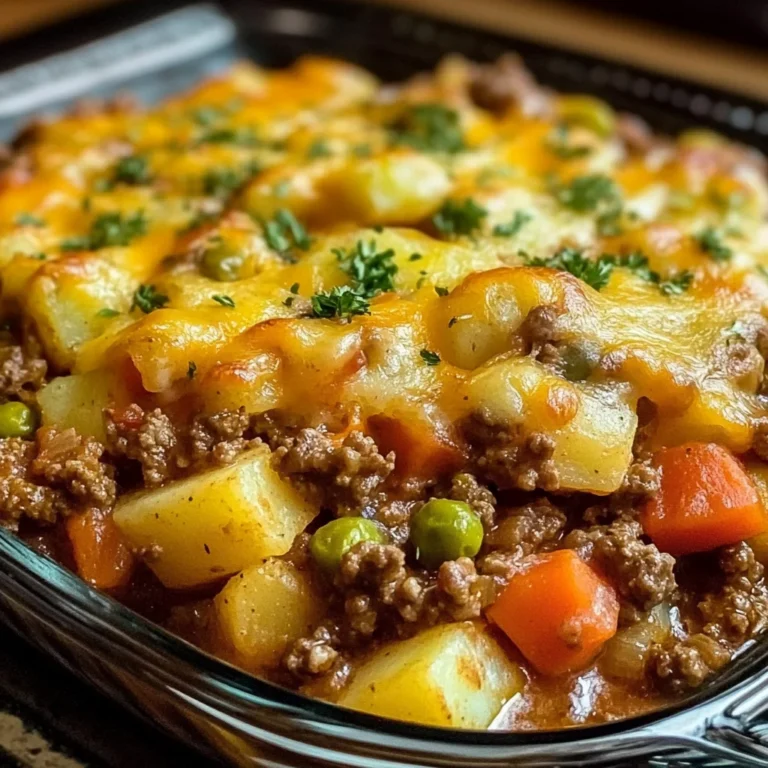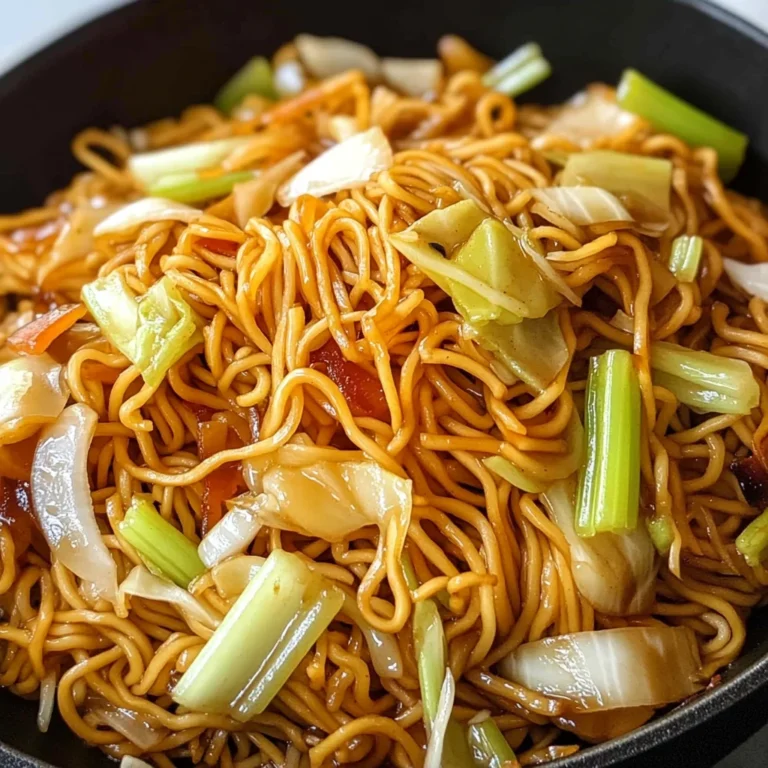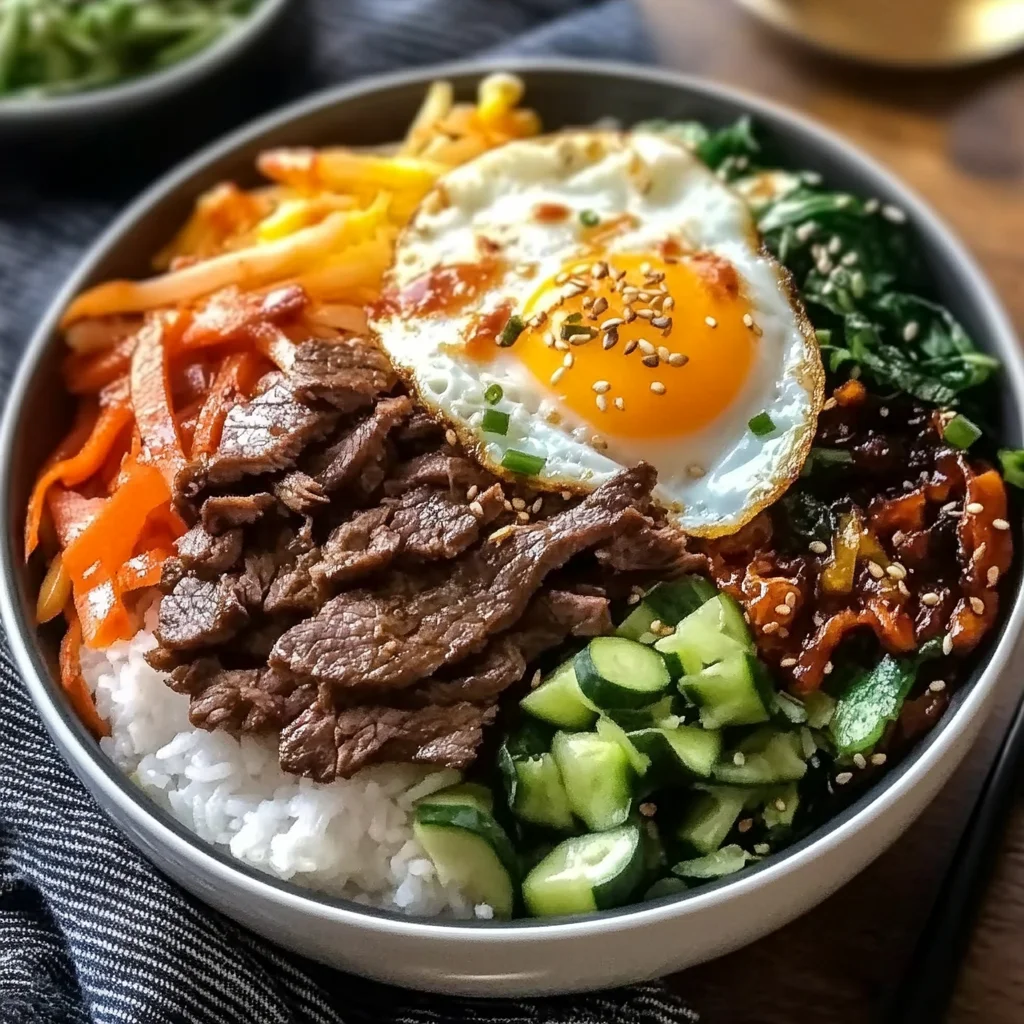
Korean Beef Bibimbap Bowl
Korean Beef Bibimbap Bowl is a vibrant and satisfying dish that brings the rich flavors of Korean cuisine to your table. Perfect for any occasion, this bowl combines savory marinated beef with fresh vegetables and an egg, all served over warm rice. The beauty of this recipe lies in its versatility, allowing you to customize the ingredients to suit your taste and dietary preferences.
Why You’ll Love This Recipe
- Quick Preparation: With a total time of just 50 minutes, you can enjoy a delicious meal without spending hours in the kitchen.
- Colorful Presentation: The variety of ingredients creates a visually appealing dish that looks as good as it tastes.
- Flavorful Experience: The combination of gochujang, sesame oil, and fresh vegetables delivers a burst of flavor in every bite.
- Customizable Ingredients: Easily swap out vegetables or proteins based on what you have on hand or your taste preferences.
- Family-Friendly: This dish is suitable for all ages, making it an excellent choice for family dinners.
Tools and Preparation
Before diving into the cooking process, gather your tools and equipment to streamline your preparation.
Essential Tools and Equipment
- Skillet
- Pot for cooking rice
- Spatula
- Knife and cutting board
Importance of Each Tool
- Skillet: Essential for browning the beef and sautéing vegetables evenly.
- Pot for cooking rice: Ensures perfectly cooked rice that serves as the base for the bibimbap.
- Spatula: Helps in flipping eggs and mixing ingredients without damaging them.
Ingredients
For the Beef
- 1 lb lean ground beef
- 3 tbsp gochujang sauce (adjust for spice level)
- 1 tbsp sesame oil
- 2 tbsp low-sodium soy sauce
For the Vegetables
- 1 cup carrots (julienned)
- 1 cup spinach (fresh)
- 1 cup zucchini (sliced)
- 1 cup bean sprouts
For Serving
- 2 cups short-grain white rice (cooked)
- 4 eggs
How to Make Korean Beef Bibimbap Bowl
Step 1: Cook the Rice
Start by cooking the short-grain white rice according to package instructions. Once done, set aside to keep warm.
Step 2: Cook the Beef
In a skillet over medium-high heat, brown the lean ground beef for about 5-7 minutes. Be sure to drain any excess fat to keep your dish light.
Step 3: Add Seasonings
Stir in the gochujang sauce, low-sodium soy sauce, and sesame oil into the cooked beef. Allow it to simmer on low for 5 minutes so that all flavors meld together.
Step 4: Sauté the Vegetables
In another skillet, add a little sesame oil. Sauté the julienned carrots, fresh spinach, sliced zucchini, and bean sprouts over medium heat until they are tender-crisp—about 7 minutes.
Step 5: Fry the Eggs
Fry each egg sunny-side up in a separate skillet until the whites are set but yolks remain runny. This usually takes about 3 minutes per egg.
Step 6: Assemble Your Bowls
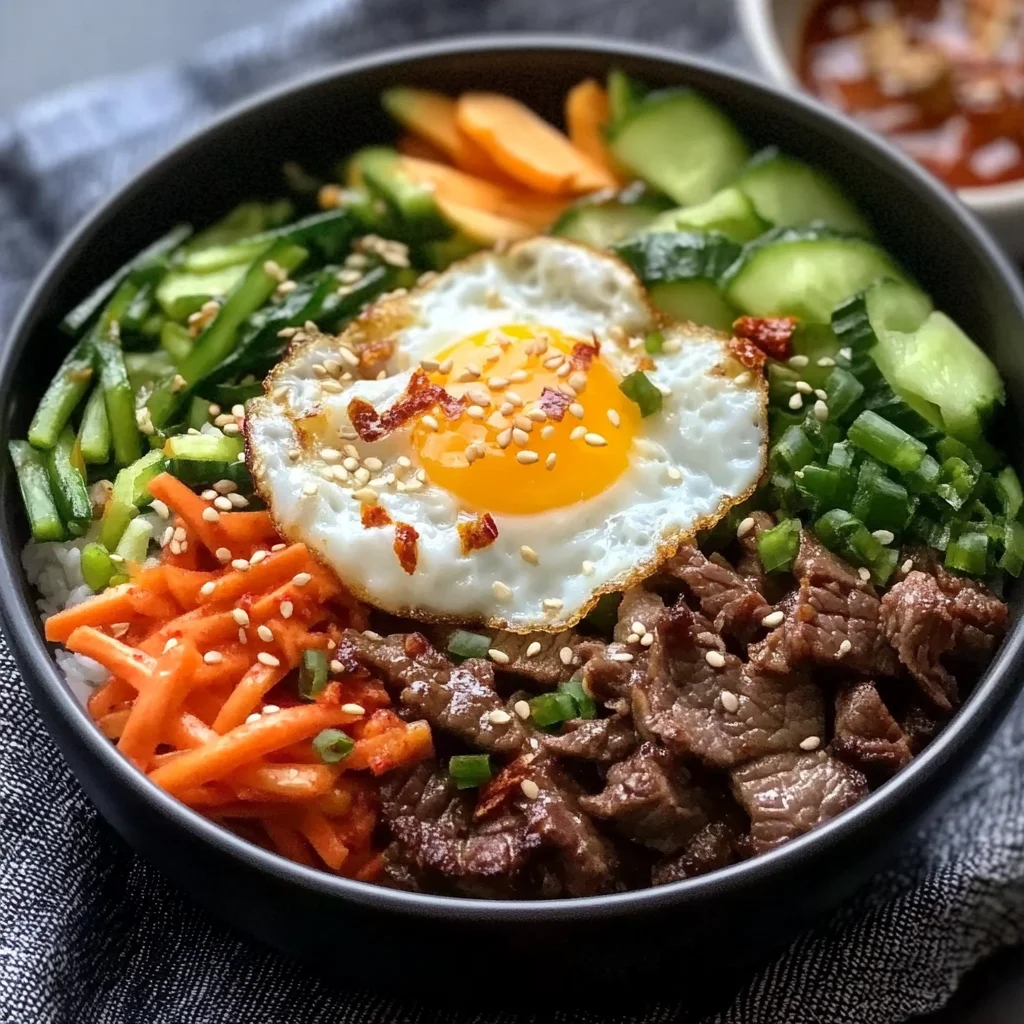
To serve, layer cooked rice at the bottom of each bowl. Top with a generous portion of seasoned beef mixture, sautéed vegetables, and finish with a fried egg on top. Drizzle with additional gochujang if desired for extra spice!
Enjoy your homemade Korean Beef Bibimbap Bowl!
How to Serve Korean Beef Bibimbap Bowl
Serving Korean Beef Bibimbap Bowl is an enjoyable experience, as this dish is not only visually appealing but also customizable. Here are some creative serving suggestions to enhance your bibimbap experience.
Add Extra Spice
- Use extra gochujang or a drizzle of chili oil for those who love heat. This adds depth and excitement to the flavor profile.
Garnish with Sesame Seeds
- Sprinkle toasted sesame seeds on top for a nutty crunch. It also adds a beautiful visual element to your bowl.
Include Fresh Herbs
- Top with chopped green onions or cilantro for a fresh burst of flavor. These herbs brighten the dish and complement the beef well.
Serve with Kimchi
- Add a side of kimchi for an authentic Korean touch. The tangy flavor balances the richness of the beef and enhances the overall meal.
Accompany with Pickled Vegetables
- Offer pickled cucumbers or radishes as a refreshing contrast. Their acidity can cut through the dish’s savory elements beautifully.
Customize Portions
- Allow guests to build their own bowls by placing all ingredients separately in serving dishes. This way, everyone can personalize their bibimbap according to their taste.
How to Perfect Korean Beef Bibimbap Bowl
To create the ultimate Korean Beef Bibimbap Bowl, consider these helpful tips to elevate your dish.
- Choose the right rice: Short-grain white rice is ideal as it becomes sticky when cooked, helping all ingredients adhere together in each bite.
- Marinate the beef: For deeper flavor, let your ground beef marinate in soy sauce and sesame oil for about 15 minutes before cooking.
- Maintain vegetable texture: Avoid overcooking your vegetables; sauté them just until tender-crisp to keep some crunch and vibrant color.
- Use fresh ingredients: Fresh spinach and crisp carrots will enhance both flavor and nutrition, making each bowl more delightful.
- Adjust spice levels: Tailor the amount of gochujang based on personal preference, ensuring that everyone enjoys their bibimbap without overwhelming heat.
- Serve immediately: Assembly should be done right before serving to ensure everything stays fresh and warm for an enjoyable eating experience.
Best Side Dishes for Korean Beef Bibimbap Bowl
Pairing side dishes with your Korean Beef Bibimbap Bowl can enrich the meal further. Here are some fantastic options to consider:
- Kimchi: Fermented vegetables, typically made from cabbage, that add a spicy and tangy flavor profile.
- Pickled Radishes: Crunchy and slightly sweet pickled radishes provide a refreshing contrast to the savory flavors of bibimbap.
- Korean Pancakes (Pajeon): Savory pancakes filled with scallions or other vegetables serve as a delightful accompaniment.
- Steamed Broccoli: Lightly steamed broccoli adds a nutritious green element that complements the richness of the beef.
- Spicy Cucumbers (Oi Muchim): These marinated cucumbers offer a cool and spicy kick that pairs beautifully with bibimbap.
- Sesame Spinach Salad (Sigeumchi Namul): A simple salad made from seasoned spinach provides additional nutrients and flavors that enhance your meal.
- Miso Soup: A warm bowl of miso soup can be comforting and balances out the meal nicely.
- Sweet Potato Noodles (Japchae): These stir-fried noodles add sweetness and texture, creating more variety on your dining table.
Common Mistakes to Avoid
Avoiding common mistakes can elevate your Korean Beef Bibimbap Bowl to a new level.
- Using the wrong rice: Short-grain rice is essential for the perfect texture. Long-grain rice will not hold together well.
- Overcooking vegetables: Sauté vegetables just until tender-crisp for the best flavor and texture. Overcooked veggies lose their vibrant color and crunch.
- Skipping the marinade: Allowing the beef to marinate enhances its flavor. Don’t rush this step; even 15 minutes makes a difference.
- Not balancing flavors: Ensure you have a mix of savory, spicy, and fresh elements. Adjust gochujang according to your spice preference.
- Ignoring presentation: Bibimbap is all about aesthetics! Layer ingredients thoughtfully for a beautiful, inviting bowl.
Storage & Reheating Instructions
Refrigerator Storage
- Store leftovers in an airtight container for up to 3 days.
- Divide into individual servings for easy reheating later.
Freezing Korean Beef Bibimbap Bowl
- Freeze in airtight containers or freezer bags for up to 2 months.
- Label containers with the date for tracking freshness.
Reheating Korean Beef Bibimbap Bowl
- Oven: Preheat to 350°F (175°C). Spread the bibimbap on a baking sheet and cover with foil. Heat for about 15-20 minutes or until warmed through.
- Microwave: Place in a microwave-safe dish, cover loosely, and heat in 1-minute intervals until heated evenly.
- Stovetop: Add a splash of water or broth to a skillet over medium heat. Stir until warmed through, about 5-7 minutes.
Frequently Asked Questions
Here are some common questions regarding the Korean Beef Bibimbap Bowl recipe.
What is Korean Beef Bibimbap Bowl?
Korean Beef Bibimbap Bowl is a colorful dish featuring marinated beef, fresh vegetables, and rice topped with a fried egg, offering a satisfying mix of textures and flavors.
Can I make this bibimbap vegetarian?
Yes! Simply replace the beef with tofu or mushrooms and increase the variety of vegetables used.
How do I adjust the spice level in my Korean Beef Bibimbap Bowl?
Adjust the amount of gochujang sauce according to your preference. You can also add less or more based on your spice tolerance.
How should I serve Korean Beef Bibimbap Bowl?
Serve it hot in individual bowls with each ingredient beautifully layered for visual appeal. Drizzle extra gochujang on top if desired.
Can I prepare ingredients ahead of time?
Absolutely! You can chop vegetables and marinate beef ahead of time. This allows for quicker assembly when you’re ready to eat.
Final Thoughts
The Korean Beef Bibimbap Bowl is not just delicious but also incredibly versatile. Its customizable nature allows you to swap out proteins or add more vegetables based on your preferences. Give this recipe a try—it’s sure to become a favorite at your table!
Korean Beef Bibimbap Bowl
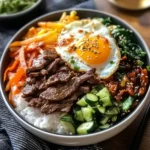
Korean Beef Bibimbap Bowl is a delightful fusion of textures and flavors that brings a taste of Korea to your kitchen. This dish features marinated lean ground beef, vibrant vegetables, and a perfectly fried egg, all served over a warm bed of short-grain rice. It’s not only quick to prepare—taking just 50 minutes—but also customizable to suit your preferences, making it perfect for family dinners or gatherings. With its colorful presentation and the spicy kick from gochujang, this bibimbap bowl is sure to impress everyone at the dining table.
- Prep Time: 20 minutes
- Cook Time: 30 minutes
- Total Time: 50 minutes
- Yield: Serves 4
- Category: Main
- Method: Frying
- Cuisine: Korean
Ingredients
- 1 lb lean ground beef
- 3 tbsp gochujang sauce (adjust for spice level)
- 1 tbsp sesame oil
- 2 tbsp low-sodium soy sauce
- 1 cup carrots (julienned)
- 1 cup fresh spinach
- 1 cup zucchini (sliced)
- 1 cup bean sprouts
- 2 cups short-grain white rice (cooked)
- 4 eggs
Instructions
- Cook the rice according to package instructions and keep warm.
- In a skillet over medium-high heat, brown the ground beef for about 5-7 minutes, draining excess fat.
- Stir in gochujang sauce, soy sauce, and sesame oil; let simmer for 5 minutes.
- In another skillet, sauté carrots, spinach, zucchini, and bean sprouts in sesame oil until tender-crisp (about 7 minutes).
- Fry eggs sunny-side up in a separate skillet until whites are set (about 3 minutes per egg).
- Assemble bowls with rice at the base, topped with beef mixture, vegetables, and a fried egg.
Nutrition
- Serving Size: 1 bowl (480g)
- Calories: 610
- Sugar: 6g
- Sodium: 850mg
- Fat: 30g
- Saturated Fat: 10g
- Unsaturated Fat: 18g
- Trans Fat: 0g
- Carbohydrates: 64g
- Fiber: 4g
- Protein: 28g
- Cholesterol: 240mg